Lazy Cats Font for Editorial Design and Content Creation
Lazy Cats is a handwritten font that brings warmth, charm, and a touch of whimsy to editorial design. Its playful curves and rounded edges make it ideal for content creators looking to add personality to their layouts without sacrificing readability. As someone who regularly works with fonts across blogs, ebooks, newsletters, and magazines, I find Lazy Cats particularly useful for creating visual interest while maintaining clarity.
Visual Characteristics and Editorial Appeal
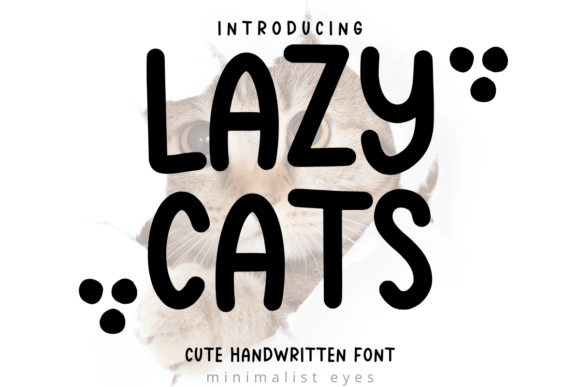
The Lazy Cats font has a soft, friendly appearance that feels inviting and approachable. Its handwritten style gives the impression of being crafted by hand, which adds a personal touch to any publication. This makes it especially well-suited for children’s books, lifestyle content, and creative projects where a sense of warmth and authenticity is key.
The font's rounded edges and gentle strokes help maintain legibility even at smaller sizes, making it a versatile choice for both digital and print media. Its subtle variations in stroke width and character shape create a dynamic yet cohesive look, ensuring that text remains engaging without becoming distracting.
Using Lazy Cats in Editorial Layouts
Lazy Cats can be used effectively in a variety of editorial contexts. For blog headers, it adds a playful tone that matches the voice of many lifestyle or creative blogs. When designing magazine covers, this font can serve as an eye-catching title that draws readers in with its friendly and approachable feel.
In ebook titles and chapter openers, Lazy Cats helps set the tone for the content that follows. It works particularly well for recipe ebooks, wellness guides, and other content that benefits from a warm, inviting aesthetic. For newsletter graphics and quote layouts, the font's handwritten nature can enhance the visual storytelling, making quotes more memorable and relatable.
Practical Examples of Lazy Cats in Action
Consider using Lazy Cats for a wedding guide — its soft curves and friendly tone align perfectly with the romantic and celebratory mood of such content. In a coaching workbook, the font can help create a welcoming environment that encourages engagement and interaction. For a digital magazine focused on mindfulness or self-care, Lazy Cats can contribute to a calming and reassuring visual identity.
When designing printable planners or worksheets, Lazy Cats adds a personal touch that can make these resources feel more like a friend’s suggestion than a generic tool. For a creator newsletter, it can be used in headings or accent text to reinforce brand identity and keep the reader engaged.
Readability Considerations
While Lazy Cats is a display font, it is designed with readability in mind. It performs well on screens, in PDF exports, and when printed, making it suitable for both digital and physical publications. However, it is best used for headlines, section titles, and short-form text rather than long paragraphs. Pairing it with a clean sans serif or serif font for body copy ensures that the layout remains balanced and easy to read.
For example, pairing Lazy Cats with a modern sans serif font like Helvetica or Arial for body text creates a harmonious contrast that supports visual hierarchy and reader experience. Similarly, using it alongside a traditional serif font for captions and navigation maintains a professional yet friendly tone throughout the publication.
Font Pairing and Commercial Licensing
Lazy Cats is a great choice for editorial use when paired with complementary fonts. A display font like Lazy Cats can be combined with a readable serif font for body copy or a clean sans serif font for captions and navigation. This ensures that the layout remains visually appealing while maintaining functionality and accessibility.
Before using Lazy Cats in commercial projects, it is important to check the licensing terms. If you're creating ebooks, templates, printables, paid newsletters, client publications, or digital downloads, ensure that the font license allows for such usage. Many premium fonts, including Lazy Cats, offer commercial licenses that cover a wide range of editorial and design applications.
Additionally, consider whether the font includes alternate characters, ligatures, or multiple weights. These features can enhance the visual appeal of your designs and provide more flexibility in how you use the typeface across different elements of your publication.
Supporting Brand Identity and Reader Engagement
Lazy Cats contributes to a consistent brand identity by reinforcing a warm, friendly, and approachable tone. Whether you're designing a logo, packaging, or social media graphics, this font can help establish a visual language that resonates with your audience.
Its unique character also supports reader engagement by adding a personal touch to your content. Readers are more likely to connect with material that feels handcrafted and authentic, which Lazy Cats helps achieve through its handwritten style.
By thoughtfully integrating Lazy Cats into your editorial designs, you can create content that not only looks great but also feels meaningful and engaging to your audience. Its versatility and charm make it a valuable addition to any designer’s toolkit, especially for those working in publishing, web design, or content creation.