Retro Orter Groovy Font for Web Design
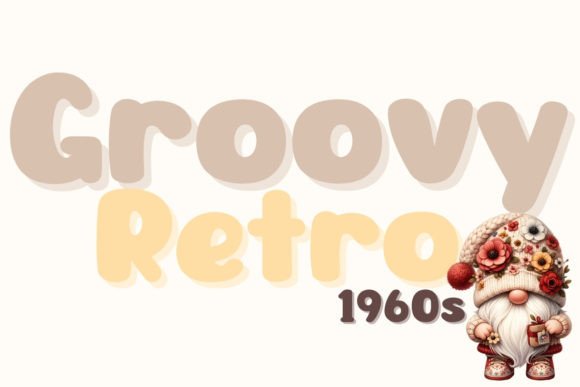
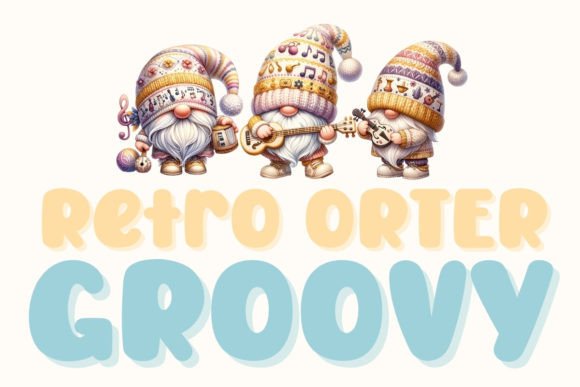
Retro Orter Groovy is a display font that brings the bold and expressive energy of the 70s into modern web design. With its fluid, groovy curves and dynamic letterforms, this script font adds a nostalgic yet fresh feel to digital projects. As a web designer, I've found it particularly useful for creating visual interest in headers, banners, and brand-focused content.
The personality of Retro Orter Groovy is playful yet professional. It balances the fun of a hand-drawn script with the clarity needed for online readability. This makes it ideal for use in hero sections where you want to capture attention without sacrificing legibility. Its vibrant style works well for creative portfolios, boutique stores, or any brand looking to stand out with a retro twist.
Using Retro Orter Groovy in Web Layouts
When designing landing pages or website headers, Retro Orter Groovy can serve as a strong focal point. It's best used for short phrases or titles where the decorative nature of the font won't hinder scanning behavior. For example, using it on a call-to-action button like "Join Now" or "Shop Today" can add a unique touch while still being effective.
For online store banners, this font can help reinforce brand tone by matching the aesthetic of vintage-inspired products or services. Pairing it with a clean sans serif font for body copy ensures that the overall layout remains balanced and easy to read.
In a coaching website or course sales page, Retro Orter Groovy can be used in section headings or promotional graphics. It adds a sense of creativity and approachability, which aligns well with personal branding and educational content.
Readability and Responsive Design
While Retro Orter Groovy is a decorative display font, it's important to consider readability across different screen sizes. On mobile devices, ensure that the font size is large enough to remain legible. Avoid using it for long paragraphs or small buttons where the intricate details might become hard to read.
Testing the font on dark and light backgrounds is also crucial. Some variations may appear more legible on certain color schemes. When using image overlays or background textures, make sure the contrast between the text and background is sufficient to maintain clarity.
Font Pairing and Brand Identity
Retro Orter Groovy pairs well with simple, modern fonts like Helvetica Neue or Arial for body text. This combination allows the decorative script to stand out while keeping the rest of the content easy to digest. For editorial or blog sites, pairing it with a serif font can create a more traditional yet stylish look.
When building a brand identity, consistency is key. Retro Orter Groovy can be used across various digital assets—social media graphics, email newsletters, and even packaging design—to maintain a cohesive visual language. Its retro vibe works especially well for brands with a nostalgic or artistic focus.
It's also worth checking the included styles, weights, and multilingual support if your project requires global reach. Many premium fonts offer extended character sets, which can be essential for international audiences.
Commercial Use and Licensing
If you're planning to use Retro Orter Groovy for client projects, online stores, or digital templates, it's important to verify the commercial licensing terms. Ensure that the font you're using is appropriate for the scale and scope of your work. Some fonts require additional licenses for web embedding or high-volume usage.
For SaaS founders or marketers, investing in a reliable font license ensures that your brand's visual identity remains consistent and legally protected across all platforms. Always review the font's documentation to understand what's included and what might require extra steps.
Whether you're designing a product landing page, a creative portfolio, or a branded web experience, Retro Orter Groovy offers a versatile and expressive option that enhances both aesthetics and usability. Its retro charm combined with modern readability makes it a valuable addition to any designer's toolkit.